Ever found yourself standing in an aisle, overwhelmed by sheer volume? You’re faced with a seemingly follow this link endless sea of pre-packaged gift baskets—canned goods next to scented candles, all promising celebration. Yet, when the moment comes to give it away, you feel that sinking suspicion: does this actually feel like it came from me? Gift-giving, at its heart, isn't about the monetary value; it’s a complex exchange of emotional bandwidth. It’s a signal flare that says, "I see you." The biggest challenge is moving past generic filler and creating something truly memorable—something that screams thoughtfulness.
The goal isn't just to assemble items; it's to curate an experience. We want gift hampers that feel personal and thoughtful enough that the recipient feels a burst of joy simply opening the box, before even noticing what’s inside. This requires shifting your focus from "What should I buy?" to "What does this person need right now?"
Moving Beyond Filler: The Philosophy of Thoughtful Curation
Many people approach gift-giving like filling a quota—they need 12 items in the basket, period. But true thoughtfulness operates on an entirely different plane. It’s about recognizing patterns in a person's life, their current season, and their unique quirks. Think of it less as shopping and more like being a detective who has gathered clues about someone's perfect day off.
If you buy a generic basket, it reads like a checklist: Here are things. If you execute a thoughtful hamper, it reads like a story: I was thinking about you when I saw this. This narrative shift is the most valuable asset any giver possesses. How can we make sure that the physical items support that underlying story?
The Art of Hyper-Personalization: Knowing Your Recipient Deeply
The secret sauce to truly remarkable gifting lies in deep research—the good kind, not the creepy kind! Before you buy a single tea bag or artisanal chocolate bar, take five minutes to observe your recipient. What are their hobbies? Do they complain about needing more reading time? Are they obsessed with a specific type of coffee bean?
Instead of buying a "Spa Basket," which is vague enough to suit anyone, consider tailoring it for the specific kind of relaxation they need. Is it stress-relief relaxation (e.g., weighted blanket, calming tea)? Or creative recovery (e.g., watercolor set, fancy journal)? The hyper-personalized approach transforms the gift from a commodity into an artifact of care.
For example, I once bought my friend a basket filled with high-end sourdough starters and artisanal bread knives because she had mentioned wanting to bake more often. She was genuinely stunned. It wasn't just the beautiful tools; it was the reminder that I remembered her specific aspiration—her newfound passion for baking. That little detail made all the difference, proving that gift hampers that feel personal and thoughtful are built on memory, not marketing trends.
Curating Sensory Journeys: The Components of an Experience Basket
A perfect hamper shouldn't just be a collection of things; it must engage multiple senses. When we open a gift, our brains process scent, sight, touch, taste, and even sound. A great basket hits all these notes simultaneously.
To achieve this multi-sensory effect, think about balancing the components:
- Taste: High-quality treats (local honey, gourmet popcorn, unique spice blends). Scent: Candles, luxurious soaps, or specific essential oils that evoke a mood (cozy, invigorating, etc.). Sight/Touch: Beautifully packaged items like soft socks, elegant stationery, or interesting artisanal pottery.
A potent metaphor here is viewing the hamper as an emotional landscape. You are not placing objects in a box; you are creating a small, contained vacation for their senses and soul. Don’t forget to include something that sparks joy—a single item that seems slightly excessive but perfectly suited to them. Is it always about the expensive items? Absolutely not. Sometimes, the perfect gift is simply a beautifully bound book by an author they admire.
Storytelling Through Presentation: Making It Look and Feel Intentional
The final presentation is where all your hard work coalesces into a single moment of impact. This stage elevates the hamper from "gift" to keepsake.
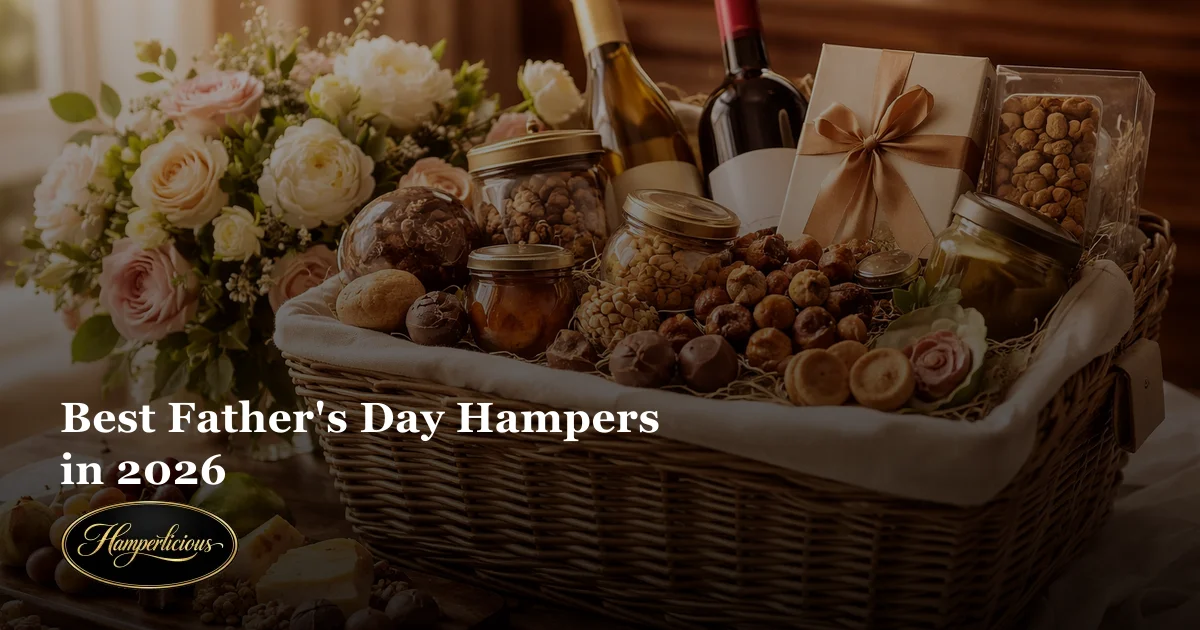
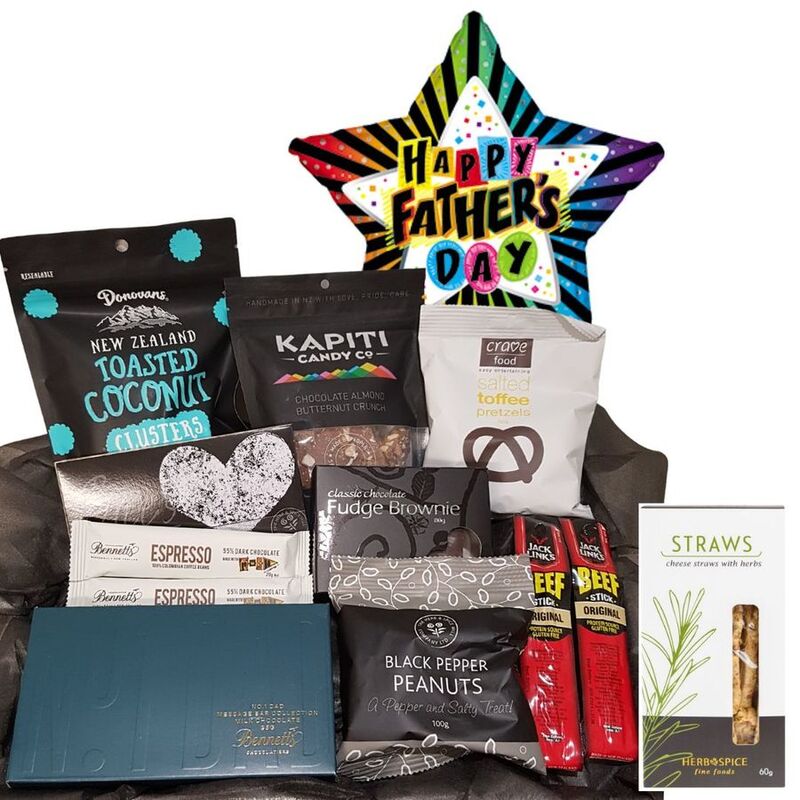
How you package it tells half the story. Consider upgrading the structural elements:
- The Vessel: Use reusable wooden crates or beautiful woven baskets instead of cheap cardboard fillers. The Filler: Instead of generic shredded paper, use natural crinkle-cut wood excelsior or tissue paper printed with a subtle local pattern. The Narrative Tag: Attach a handwritten card that explains why you chose three specific items. For instance: "I included this smoky tea because I remember you mentioning the crisp autumn air at the lake."
This focus on narrative structure is what ensures your gift hampers that feel personal and thoughtful leave an emotional footprint long after the ribbon has been untied. As Maya Angelou wisely noted, "You can't use up all the compliments of a stranger. You have to keep giving them out." Similarly, you must continue building these moments of connection through intentional gifting.
Planning Your Next Gesture: Transforming Gifting into Relationship Maintenance
The beautiful truth about gift-giving is that it’s not an annual event; it’s a continuous act of relationship maintenance. The skill you've developed in curating the perfect basket can be applied to every facet of your connections, from professional networking to friendship upkeep.
Don't wait for birthdays or holidays to apply this sophisticated level of attention. If a friend starts a new job, send a hamper themed around "The Perfect Working From Home Day." If a family member just adopted a pet, curate a basket focused on their new lifestyle needs.
By viewing every gift opportunity—no matter how small—as a chance to communicate profound understanding, you transform the act of giving from an obligation into one of your most powerful forms of communication. Start practicing this intentional observation today; the next meaningful gesture is waiting for you to simply notice it.