We’ve all been there. The gift-buying paralysis. You open Amazon, you scroll through Etsy, and suddenly, the task of finding "the perfect gift" feels less like an act of love and more like solving an unsolvable equation involving budget constraints, years of shared memories, and a deeply ingrained sense of obligation.
You look at the clock—it’s days from his birthday or Father’s Day—and the question hits you with the force of a realization: How much should I spend on a surprise gift for my father?
If you are asking this right now, it means you care deeply. You want to get it right. But here is the hard truth that every well-intentioned adult child needs to hear: the dollar amount has almost nothing to do with how good the gift actually is. Spending money is easy; spending thought—that's the real currency.
This guide isn’t about setting a budget; it’s about redefining what an investment in a great gift looks like, so you can walk away feeling confident and genuinely happy.
The Currency of Care: Shifting Focus from Price Tag to Intention
Before we talk options or budgets, let's reframe the problem entirely. When people fret over how much money they should spend, they are treating gifts like commodities—items that must meet an external standard (a price point).
Instead, think of your gift as a communication. What do you want him to feel when he opens it?
- Do you want him to feel seen? (He remembers something specific about his interests.) Do you want him to feel cared for? (Someone took time and effort.) Do you want him to feel pampered? (Something luxurious he wouldn't buy himself.)
Once you identify the feeling, the spending amount becomes irrelevant. The most expensive Helpful site gift in the world will fall flat if it doesn't communicate that specific emotion.
Mapping Effort to Impact: Three Spending Styles
To help cut through the decision fatigue, we can categorize gifting by the type of effort involved. This helps you match your available time and budget with the emotional impact you want to achieve.
🌿 The High-Emotion, Low-Cost Win (The Time Investment)
This style proves that connection is non-negotiable—and it costs nothing https://troyrhav063.readspirex.com/posts/the-art-of-the-gift-thoughtful-luxurious-father-s-day-ideas but coordination. These gifts require deep knowledge of your father’s routine and interests.
- The Memory Box: Curate physical keepsakes: old ticket stubs, a printed photo album with handwritten captions from siblings, or notes from friends you know he hasn't seen in years. The Local Expert Experience: Skip the fancy dinner reservation and instead spend a Saturday morning helping him do something he loves but rarely makes time for—restoring a piece of furniture, going fishing at dawn, or trying out that local bakery near his childhood home. The Curated Playlist: A digital gift, but one loaded with meaning. Compile music from your childhood years or songs connected to significant family moments.
✨ The Medium Spend, Maximum Impact (The Convenience Play)
This is where the Australian experience shines for a reason: it signals effort and care without demanding you spend weeks sourcing items. These gifts are perfect for busy readers who want to signal "I thought about this."
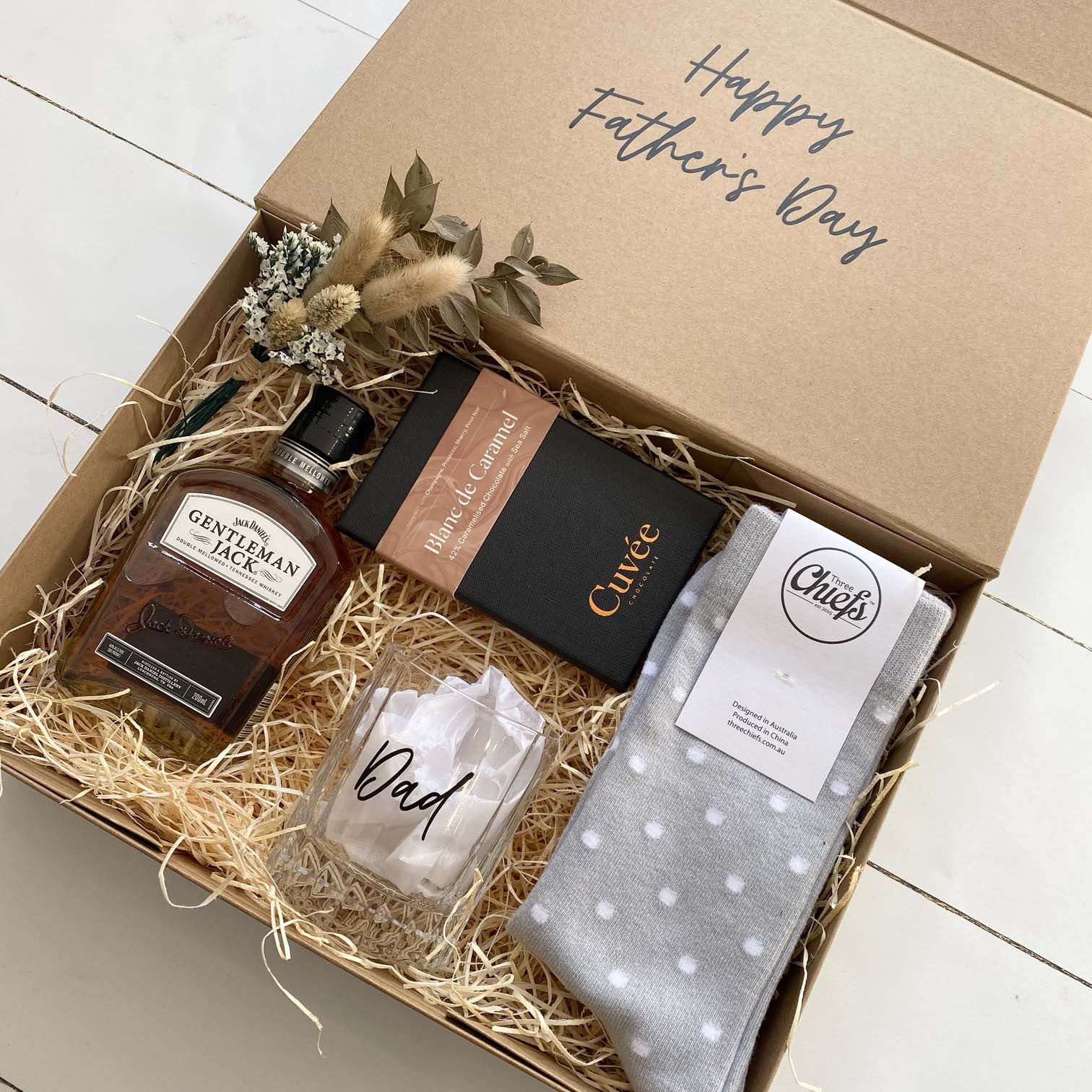
- The Luxury Hamper: This remains one of the most popular choices because it’s inherently thoughtful, curated, and requires minimal effort from you. Focus on a high-quality theme: gourmet coffee and biscuits, premium Australian cheeses with charcuterie tools, or a sophisticated 'Dad's Favorite Drink' kit (whisky/bourbon pairings). The "Treat Yourself" Voucher: Instead of cash, buy him a specific experience voucher—a local brewery tour, tickets to see his favorite band (even if it’s decades old), or a fancy day-spa package. This shows you know what he wants to do, not just what's available. The Skill Subscription: A subscription box focused on an interest, like fine wine tasting kits, monthly gourmet spice blends, or even a streaming service tailored to classic cinema.
🚀 The High Spend, Grand Gesture (The Milestone Marker)
These gifts are reserved for major milestones (60th, retirement, etc.) and usually involve significant planning. They need to be tied directly to a long-term stated desire of his.
- A Weekend Getaway: Booking a trip—even if it's just the cabin 90 minutes away that he can spend time in with you—is an investment in shared quality time. The "Forever Thing": If he always talks about wanting to read classic literature or refine his grilling skills, consider investing in the absolute best version of that item: a first edition book, a top-tier smoker grill, etc.
The Sweet Spot: Making the Final Decision
If you’re still stuck between spending $100 on a hamper versus putting together an entire day of local activities, here is your ultimate litmus test. Ask yourself this rhetorical question: "If I bought this gift and it didn't work—if he just shrugged and said 'Oh, that was nice'—would I feel genuinely okay with the effort I put in?"
If the answer is yes, you’ve found your sweet spot. The feeling of knowing you gave something deeply thoughtful will always outweigh any potential disappointment about the material object itself.
My friend Mark struggled with this years ago. His dad was a history buff who complained about everything—the TV remote batteries, his tie, even the weather. Mark felt immense pressure to buy him some 'fancy' gadget that would impress everyone. Instead, he spent an afternoon at the local library, finding three books on obscure regional history that had been mentioned in passing over years of holiday dinners. He put them together with a handwritten note detailing why those specific books mattered. When his dad opened them, he didn't just smile; he got absorbed. It was priceless.
As one great gift-giving guru once said, "The best gifts are those that open up new ways of seeing the world."
Making the Moment Last
Ultimately, the greatest gift you can give your father is not a physical thing—it’s an acknowledgement of his existence and the value he holds in your life. The spending money should be merely the vehicle for that acknowledgment.
This year, don't focus on hitting a dollar number. Focus instead on generating a moment. A moment of laughter over a shared memory, a moment of quiet connection while enjoying a perfectly paired cup of coffee and biscuit from a beautiful hamper, or simply a moment where he realizes how much you know him—the quirks, the loves, and the things that make him uniquely him.
That kind of thoughtfulness? That's always worth more than any budget.